
Can Alcohol Trigger Migraines and Other Headaches?
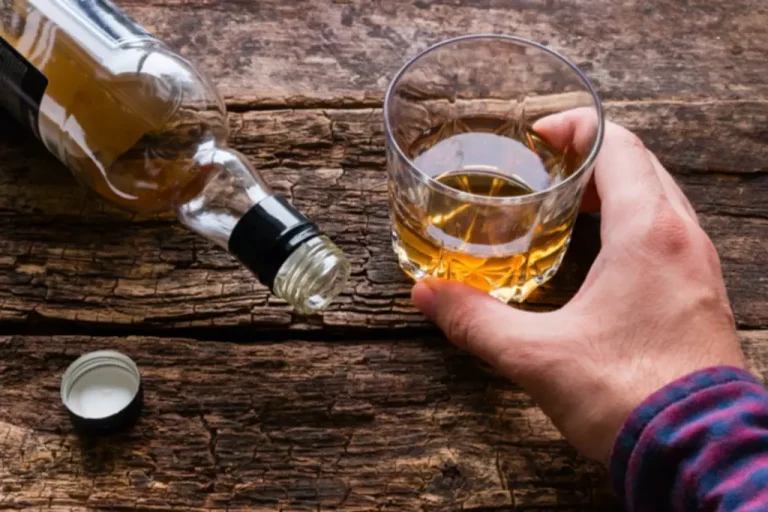
We have already discussed that a migraine is a common headache experienced after drinking alcohol, but the alcohol-induced headache may fall into one of two categories. The severity of your headache depends on the type of alcoholic drink you consume. Drinks with congeners will typically result in the most severe headaches.
Analysis of alcohol consumption
Drink lots of water to rehydrate your body and help flush the alcohol from your system. A sports drink with electrolytes is also helpful for this purpose. The strongest effect is produced by dark-colored alcohols like red wine, beer, rum, etc. Whereas the other alcohols cause headaches equally or more frequently. In the same study indicating red wine as a frequently cited migraine trigger, vodka (which is primarily comprised of ethanol and water) was least likely to be cited. While this is not necessarily true for everyone, it’s true for so many people that a trend toward abstinence developed among migraine-sufferers.

What Are Migraine Symptoms and Causes?
Two people can have the same blood alcohol levels, but their BAC will differ. This is because blood alcohol concentrations are not the same for everyone. The carbon dioxide content in champagne causes quick alcohol absorption into the bloodstream. For example, some people can drink alcohol without appearing intoxicated or experiencing extreme side effects, while others cannot. No matter what you call it—a headache journal, migraine diary, headache tracker—keeping track of your symptoms can be a versatile tool to help better manage your health. It can help you identify patterns over time and help your doctor identify if you are experiencing migraine.
Gender and body weight
Most studies point to red wine as a common headache culprit, particularly in people with migraine. These individuals commonly cite wine, especially red wine, as a migraine trigger. Migraine causes a specific type of headache that involves neurological symptoms such as light sensitivity and aura. Other types of headaches, including severe headaches, can occur as a result of alcohol consumption. Several studies suggest that alcohol, especially red wine, may trigger migraine attacks. If you’ve identified alcohol as a trigger for your migraine headaches, avoiding https://ecosoberhouse.com/ it altogether is probably best.
How we reviewed this article:
Cutting back on drinking has plenty of benefits, including reducing your likelihood of getting a headache. But “cutting back” doesn’t necessarily have to mean cutting out. By tracking your attacks and your drinking and working with a doctor, you can figure out the relationship with alcohol that’s right for you (and your condition). alcohol and headaches Dr. Crystal recommends keeping a migraine diary on a daily basis. Recording what you’re eating, drinking, and doing before, after, and during an attack can help you pinpoint patterns in attacks and triggers.
Cocktail Headache Symptoms
- Because your body views alcohol as a toxic substance, it’s perfectly normal to experience a headache from drinking alcohol.
- It can’t prevent a migraine, but it can help stop one after it starts.
- Learn more about the relationship between migraine and mental health in this AMF webinar.
- If there is misleading data in questionnaires or during medical interviews, their overall subsequent analysis is also distorted.
- However, a 2019 study found higher rates of vodka consumption among drinkers with frequent migraine attacks.
While Halfway house these headaches eventually do subside, it is important to talk to a medical provider about headache triggers and develop a plan to minimize them. Immediate alcohol-induced headaches are rarer than hangovers, and even a small amount of alcohol might trigger them in people who, for instance, experience migraines. Dehydration triggers some migraine cases; therefore, drinking plenty of water can help, even after the fact. Drinking water helps replenish your fluids and flush the alcohol out of your system.
- Even within a beverage type, the alcohol content can differ significantly.
- Each time you drink, write down the type of alcohol you have, the amount, and if and when you had a migraine.
- Additionally, regular meals provide a steady supply of energy to the brain, maintaining optimal cognitive function and mood stability.
- Additionally, being aware that alcohol can cause dehydration, which worsens the headache-inducing effects, individuals can ensure they stay adequately hydrated while consuming alcohol.
Eating can also help to slow the entry of alcohol into your bloodstream, which prevents the effects of alcohol from hitting you all at once. You’ll still need to rehydrate, but at least you’ll feel the effects of the alcohol at a more manageable pace. If you’ve been drinking heavily for a long time, good nutrition is even more important. To that end, there are a couple of steps you’ll want to take immediately if you’ve got a pounding headache after drinking.
- Research suggests that experiencing an unpleasant effect from drinking alcohol may alter alcohol consumption.
- For example, some people can drink alcohol without appearing intoxicated or experiencing extreme side effects, while others cannot.
- The Alcohol Use Disorders Identification Test is used by medical professionals to diagnose signs of AUD.
A 2016 review notes that alcohol may trigger a tension headache, especially if a person also has migraine. The research found that 21% of people with migraine say that alcohol is a tension headache trigger, compared with just 2% of people without migraine. Without a consistent cause-and-effect situation, though, it could be a number of factors — not just alcohol — that are triggering your migraine headache. If you do notice a pattern, especially with particular types of alcohol over others, you may choose to avoid the offending drinks. About two-thirds of people who drink alcohol develop these headaches. People who suffer from migraine are more prone to these reactions — even after drinking less alcohol than people who don’t get migraine headaches.
If you wake up after a night of drinking with an attack, it doesn’t necessarily mean the beer is to blame. Whereas the World Health Organization (WHO) states that there is no safe alcohol dose 19, Panconesi et al. conclude that low consumption is not a contraindication for headache patients 79. However, each patient makes individual decisions based on their own experience.
